
Forged at the intersection of two decades of executive leadership and twelve years of caregiving. Not in theory. In the actual conditions that do not allow for anything less than what works.
Leaders today are not short on effort. They are short on integration.
Teams operate like separate companies under one roof. Brilliant strategies collapse because the story that launched them never made it into the systems meant to carry it. Leaders push harder into a model that was designed for a different kind of person, and wonder why the result feels like noise instead of music.
The problem is not you. The problem is what fragmentation does to organizations when leadership becomes performance instead of presence.
When your story and your systems drift apart, the cost compounds every single day:
Talent walks toward cultures that feel less like a battlefield.
Innovation suffocates because ideas cannot survive the journey across departmental borders.
Momentum stalls as competing priorities exhaust the people meant to build it.
You exhaust yourself mediating friction that should never have existed.
There is a different way to lead. Not louder. Not harder. Integrated.
Each of the five moves builds on the one before it. Together they form a complete leadership practice, one that is both deeply strategic and deeply human. You do not need to have it all figured out before you begin. You just need to be willing to lead from where you actually are.

Transform internal noise into strategic clarity. Before you can lead anyone else, you have to be able to hear yourself.
The shift: From reactive to deliberate. From scattered to centered. From managed to led.

Cast a vision that resonates without force.The leaders who build organizations people actually want to be part of are the ones whose vision feels like an invitation.
The shift: From stated vision to felt direction. From managed alignment to genuine momentum.

Communicate with authority that earns rather than demands. Harmonizing Your Influence is where leadership presence becomes leadership power.
The shift: From performing confidence to embodying it. From being heard to being understood.

Lead with decisive, calm momentum that builds rather than burns. Conducting the Crescendo is the move where strategy becomes action, and action builds momentum.
The shift: From managing outcomes to conducting momentum. From leading through effort to leading through alignment.

Build a legacy of lasting impact by maintaining your rhythm through every storm. Sustaining the Harmony is the move that makes everything else durable.
The shift: From surviving seasons to sustaining seasons. From leading through force to leading through rhythm.
There is a leadership archetype that does not get named often enough. Not the loudest person in the room. Not the one with the largest title. The one who can walk into any situation and find the frequency that makes the room work.
Colleagues called Sherry Switzerland. They called her a utility player. What they meant was this: she could step into chaos and conduct it into something coherent, without losing herself in the process, without dominating the dynamic, without needing the credit.
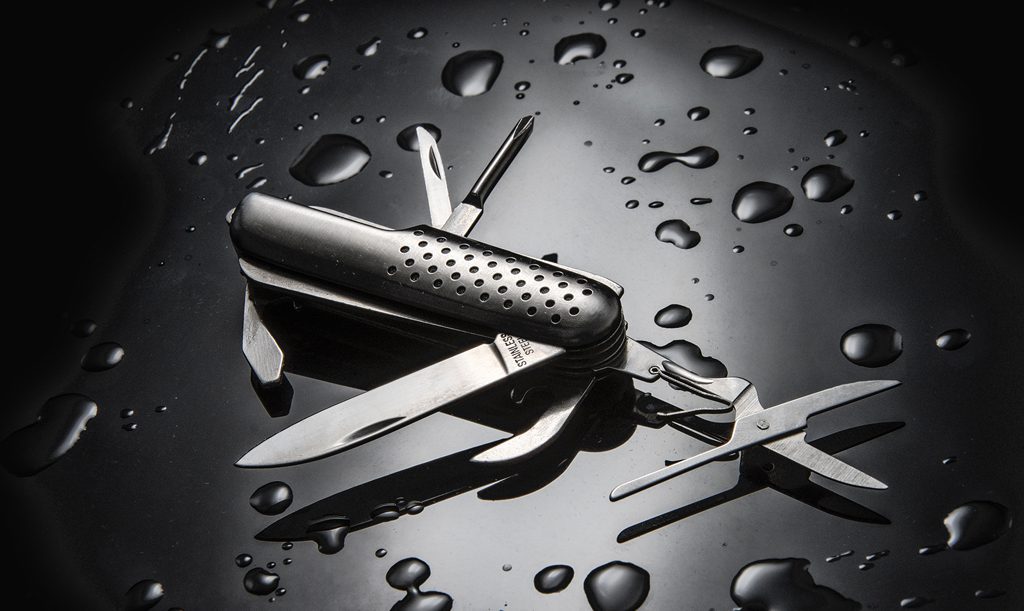
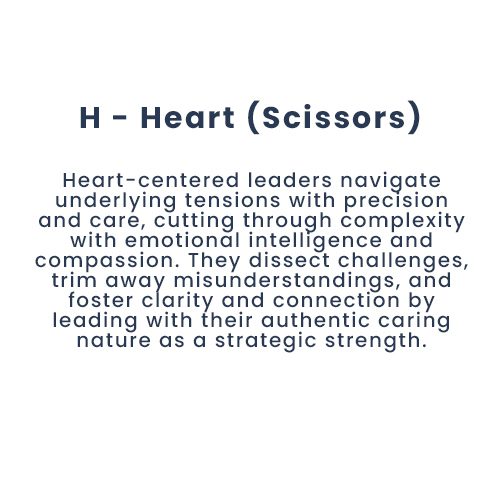
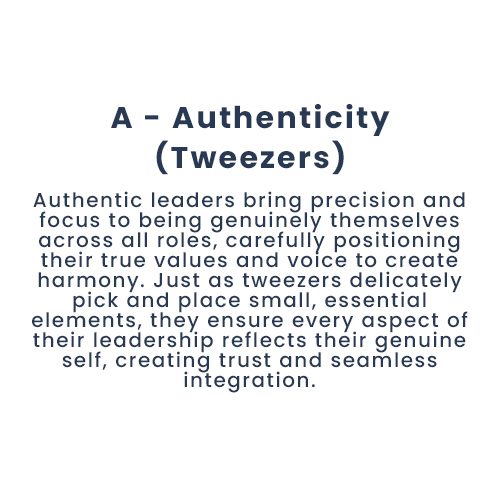
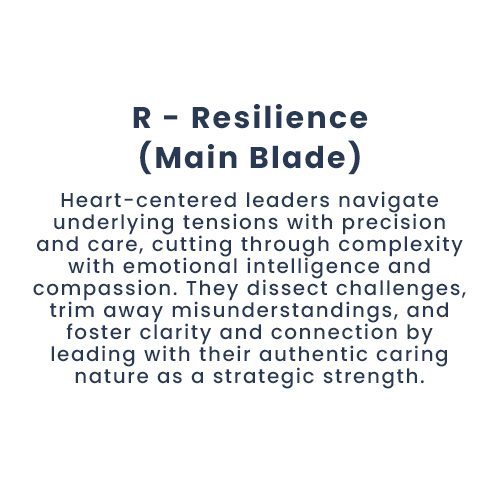
The Harmony Hero is a utility player in the truest sense. Not someone who does everything, but someone who carries the right tools and knows exactly which one this moment needs. Adaptable without being shapeless. Strategic without being cold. Present without being performative.
This is what integrated leadership looks like in practice. Not a perfect answer to every problem. A centered, capable presence that can meet whatever arrives.
These are not abstract aspirations. They are the patterns that emerge when story and system finally align.
When people understand the shared story and see how their role carries it forward, the turf wars quiet. The collaboration stops feeling forced. The work begins to move like music.
Talent does not leave organizations. Talent leaves cultures where their contribution cannot find a home. When the culture is integrated and the purpose is embodied, your best people stay because they can feel the difference.
When your story is clear and your systems reflect it, decision-making stops being an exhausting negotiation between competing priorities. The direction is known. The rhythm is set. People can move.
When influence is integrated rather than imposed, resistance drops. Not because everyone agrees, but because the environment itself conducts toward progress instead of protecting territory.
The goal was never to be indispensable. It was to build something that keeps its harmony even when you are not conducting. This framework builds that.
You do not need to have the full score in front of you. You just need to be willing to find your still point and begin.
The Harmony Hero™ Framework meets you exactly where you are, whether you are a leader navigating the quiet weight of a dual life, an organization drowning in silos that used to be a team, or someone who simply knows the way they have been leading is costing more than it should.
This is where you start.